Need walk-in tubs in Anaheim?
Tell us what makes bathing difficult and where your home is located. Request a connection with a local provider to discuss options.
No obligationRequest an estimate for your bathing needs
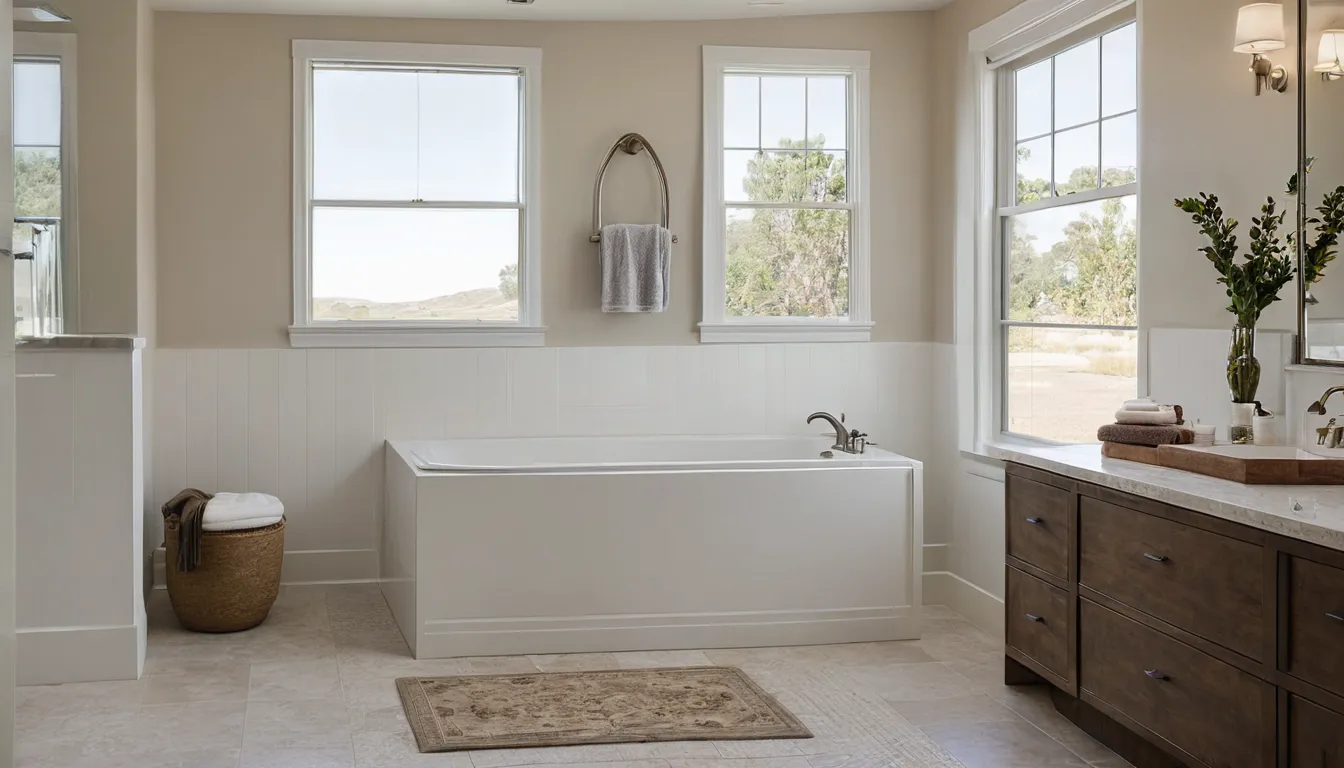
When stepping over the tub wall feels uncertain, choosing a replacement can feel like another obstacle. You may be thinking about balance, a place to sit, or how someone will help during a bath. Bakinghotgirls Walk-In Tubs is a referral service that connects homeowners in Anaheim with independent local walk-in tub providers. Start by explaining what has become difficult and what you want a bath to feel like.
The provider can assess your bathroom, discuss suitable models, and explain the proposed work. In older bungalows and tract homes, doorways, plumbing access, and the existing tub space can shape the choices. A useful estimate should account for those details, rather than just the fixture. You have room to compare features, ask about daily use, and review a written quote before deciding whether a walk-in tub suits your household.
Pause before trying a difficult step into your current tub. Keep the route through the bathroom clear and avoid using towel bars for support. You do not need to choose a replacement during a stressful moment. First, write down what changed: stepping over the side, standing, lowering yourself, or getting back up.
Request a callback to check provider availability and describe the problem. Bakinghotgirls Walk-In Tubs connects you with independent local providers; the provider assesses the space, recommends options, and performs any agreed work.
A walk-in tub should fit a person's routine as well as the bathroom. Ask the person who will use it what feels difficult and what would make bathing more comfortable. Discuss sitting balance, reaching controls, opening a door, and moving from standing to a seat.
If another person helps with bathing, include them in the conversation. Their standing space matters too. When movement needs are complex, advice from an occupational therapist can help you explain those needs to the provider.
Walk-in tubs have a door and a lower entry than many conventional tubs, but there is still a threshold. Ask for its exact height. Door width, seat height, and the space needed to turn also affect whether entry feels manageable.
Senior walk-in tubs are not all designed for the same movement needs. A seated transfer may require a different layout from a standing step-in entry. If possible, try a display model before choosing, using the movements you expect to make at home.
With many walk-in tubs, you enter, close the door, and then fill the bath. You generally remain inside until the water drains below the door opening. That waiting period deserves as much attention as the seat or door.
Ask the provider how the proposed model fills and drains under your home's plumbing conditions. Keep a towel within reach and consider how comfortable the room feels while waiting. Mild outdoor temperatures do not necessarily mean a bathroom stays warm when you are wet.
A long feature list can make comparison harder. Bring the discussion back to what each feature does for your daily routine. Ask the provider to demonstrate controls and explain which features come with the quoted model.
No feature removes every bathing risk. The layout and the way you use the tub still matter.
A soaker model offers a seated bath without a powered massage system. Other models use water jets, air jets, or both. Those additions may change the electrical work, cleaning routine, noise, and purchase price.
Think about whether you would use the added functions often enough to justify them. Ask to hear a working model if sound matters to you. If you have questions about hot baths or massage features because of a health condition, discuss them with your healthcare professional before selecting a model.
Room before fixtures is a useful rule for tub replacement. The provider needs to check more than the opening left by the old bath. Hallway turns, door frames, bathroom clearance, and delivery access can affect the project.
In Anaheim, older bungalows and homes built in earlier decades may have compact bathrooms. Slab and raised foundations can also present different plumbing access conditions. Share photos and rough measurements when requesting an estimate, but let the provider confirm dimensions before ordering the tub.
A tub that fits the room may still ask more of your hot water system. Ask the provider for the model's water requirements and how those compare with your existing heater. Other household hot water use should be part of that conversation.
During long dry seasons, it is also sensible to ask about water use per bath. Do not assume a compact-looking tub uses less water. Seat shape, bathing depth, and the chosen model all affect how much water is needed.
Installation may involve removing the old tub, preparing the space, changing plumbing connections, and finishing nearby walls or flooring. Powered features may need electrical work. The provider should explain which tasks apply to your home and who handles them.
Ask about permits, inspections, debris removal, and protection for the route through the house. Winter rain can complicate outdoor staging, so discuss where materials will be kept. Your written scope should also explain how the provider handles concealed damage discovered after the old tub comes out.
Before work starts, ask when the bathroom will be usable and what could change the schedule. If it is your only bathing space, arrange another way to bathe during the work. Avoid basing that plan on an assumed completion date.
Find out whether the toilet or sink will also be affected. Ask how the provider manages dust and ventilation, especially during wildfire smoke seasons when opening windows may be less practical. These household details belong in the planning conversation.
A safe bathing conversion starts with understanding the proposed work. Ask for the model name, included features, installation scope, payment terms, and exclusions in writing. Separate product warranty details from any workmanship terms offered by the provider.
Before agreeing, check who to contact for adjustments or repairs and how replacement parts are obtained. Once installed, request a demonstration of the door seal, controls, cleaning routine, and emergency procedures. Choose after you understand both the project and the everyday bathing experience.
Discuss threshold height, door movement, and seat position with a provider before deciding which tub fits your needs.
A provider checks bathroom dimensions, delivery access, and room around the proposed tub.
Compare controls, grab bars, sprayers, and bathing options based on how you expect to use the tub daily.
Ask the provider to outline plumbing, electrical work, finishes, and removal so you understand what the estimate includes.
These are broad, typical U.S. planning ranges, not local quotes. Costs vary by model, access, and job conditions. Some items overlap or are included in installation packages; request an itemized written quote from the provider before deciding.
| Item | Typical U.S. range | Notes |
|---|---|---|
| Soaker walk-in tub | $2,000 – $5,000 | Fixture only; size and door design affect price. |
| Jetted or combination walk-in tub | $5,000 – $12,000 | Fixture only; powered features and options vary. |
| Installation labor and connections | $2,000 – $6,000 | Scope varies; major layout changes can add more. |
| Old tub removal and disposal | $200 – $800 | May already be included in the installation quote. |
| Electrical circuit work | $500 – $2,000 | When needed; panel conditions affect the scope. |
| Water heater replacement | $1,000 – $3,500 | When needed; system type and installation conditions vary. |
Explain which part of bathing feels difficult and whether someone helps you enter, sit, wash, or get out.
Provide photos, rough measurements, and details about access to help frame the discussion.
Ask how each proposed tub matches your movement needs, room layout, and plumbing.
Check the model, work scope, exclusions, and payment terms before agreeing to proceed with a provider.
Bakinghotgirls Walk-In Tubs makes the referral connection. Independent providers assess your bathroom, explain their proposals, and carry out the agreed work.
Share your bathing concerns through one request to seek a connection with a local provider.
Discuss your home's layout and daily routine with providers in our network before comparing specific tub models.
Review the provider's written estimate, ask questions, and decide whether the proposed work suits your bathing priorities.
Tell us what makes bathing difficult and where your home is located. Request a connection with a local provider to discuss options.
No obligationSome models fit a conventional tub space, but the provider must check dimensions, plumbing, door clearance, and delivery access. Nearby walls or flooring may need finishing, even when the new tub occupies a similar footprint.
Drain time depends on the tub and your home's plumbing. Ask the provider for model-specific information and a demonstration where possible. You generally need to stay seated until water drops below the door opening.
Suitability depends on transfer needs and the model. Ask about seat access and caregiver space. If comparing handicap accessible showers, discuss that separate option with a provider.
Tell us what makes bathing difficult and where your home is located. Request a connection with a local provider to discuss options.
No obligation